


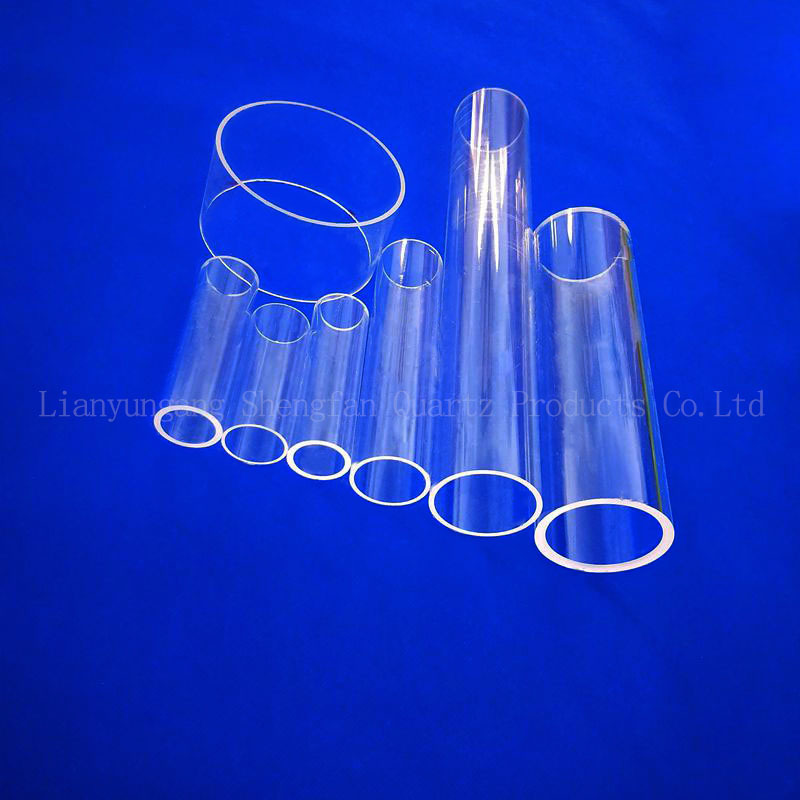
หลอดควอตซ์ความบริสุทธิ์สูงและทนอุณหภูมิสูงสําหรับอุปกรณ์ไฟฟ้าไฟฟ้าและอุปกรณ์บําบัดน้ํา-Mia
พิมพ์ในวันที่: August 29, 2026
ประวัติลูกค้า
ลูกค้าเป็นผู้ผลิตอุปกรณ์อุตสาหกรรมทั่วไปในอียิปต์ ซึ่งมีส่วนร่วมอย่างลึกซึ้งในด้านการสนับสนุนพลังงานใหม่ของอียิปต์และอุปกรณ์บํารุงความร้อนอุตสาหกรรมอุณหภูมิสูงเป็นหนึ่งในบริษัทหลักในโซ่การจําหน่ายด้านบนและด้านล่างที่สนับสนุนสวนอุตสาหกรรม Ain Sukhna ในภาคธุรกิจหลักของลูกค้าประกอบด้วย อุปกรณ์ปั่นสารซิลิคอนไฟฟ้า, อุปกรณ์บํารุงรักษาน้ําด้วยการฆ่าเชื้อด้วยสีอัลตราไวโอเล็ต และเตาอบท่ออุตสาหกรรมอุณหภูมิสูง เป็นต้น
สภาพภูมิอากาศในอียิปต์ มีลักษณะเช่น อุณหภูมิสูงและแห้ง ระหว่างกลางวันและกลางคืนและคุณภาพของน้ําที่มีสภาพเกลือและเกลือน้อยอุปกรณ์ของลูกค้ามีความต้องการที่เข้มงวดสําหรับส่วนประกอบหลักที่จะทนอุณหภูมิสูง ทนต่อการกระแทกทางความร้อน มีความบริสุทธิ์สูง และทนต่อการกัดกรดและอัลคาลีก่อนหน้านี้, ลูกค้ามักจะพึ่งพาท่อควอตซ์ที่นําเข้าจากตะวันออกกลางและยุโรป ค่าจัดซื้อสูง, วงจรการจัดส่งยาวและมีการขาดแคลนและการขัดแย้งการจัดส่งบ่อยครั้งจําหน่ายท่อควอตซ์ความบริสุทธิ์สูง
จุดเจ็บปวดหลักของลูกค้า
1ความทนทานต่อแรงกระแทกทางความร้อนที่ต่ํา, การแตกบ่อยในอุณหภูมิสูง: สภาพแวดล้อมในช่วงฤดูร้อนในอียิปต์มีอุณหภูมิที่สูงมากและอุปกรณ์ได้รับการเริ่มต้นและหยุดที่อุณหภูมิสูงอย่างต่อเนื่อง ด้วยอัตราการเปลี่ยนแปลงอุณหภูมิที่ใหญ่คอฟเซนต์การขยายความร้อนของท่อควอตซ์ธรรมดาที่นําเข้าค่อนข้างสูง มักจะทําให้ผนังท่อแตก ท่อแตก และมีปัญหาการรั่วไหลของอากาศโรงไฟหลอดและอุปกรณ์ปั่นไฟฟ้าไฟฟ้าถูกบังคับให้ปิดเพื่อการบํารุงรักษาส่งผลให้มีการช้าช้าในโครงการ
2ความบริสุทธิ์ที่ไม่เพียงพอที่ส่งผลกระทบต่อผลิตภัณฑ์: ท่อควอตซ์ระดับต่ํามีสารสกปรกที่สูง ซึ่งทําให้อนุภาคหลอมลงง่ายในสภาพอุณหภูมิสูงส่งผลให้เกิดอาการบกพร่องในการปะทะวัตถุไฟฟ้า, การกระจายแสงที่ลดลงของหลอดฉายแสง UV การรักษาน้ํา, ประสิทธิภาพการฆ่าเชื้อลดลงอุปกรณ์ปลายทางที่ไม่มั่นคงสอดคล้องกับมาตรฐานการยอมรับสําหรับโครงการพลังงานใหม่และเทศบาลในอียิปต์.
โซลูชั่นท่อควอตซ์ที่กําหนดเอง
เพื่อแก้ไขสภาพการทํางานที่พิเศษในอียิปต์ ที่มีลักษณะของอุณหภูมิสูง ความแตกต่างอุณหภูมิที่ใหญ่ และการกัดกัดเล็กน้อยและในสภาพการณ์ของลูกค้าสามฉากของอุปกรณ์หลัก, เราให้บริการของคําตอบที่กําหนดเอง ของความบริสุทธิ์สูง, ทนต่อการกระแทกทางความร้อนสูง, และท่อควอตซ์ที่ปรับปรุงในพื้นที่.การแก้ไขนี้ถูกปรับปรุงให้เหมาะสมกับความต้องการอุตสาหกรรมของอียิปต์ จากการเลือกวัสดุ, ขั้นตอน, รายละเอียด, การจัดส่ง, และบริการหลังการขาย
1การเลือกสับสราทความบริสุทธิ์สูง เหมาะกับมาตรฐานสูงในพลังงานใหม่และการทําความสะอาดน้ํา: เราใช้วัสดุแพร่ควอตซ์หล่อหลอมความบริสุทธิ์สูงสุด 99.99%มีสารสกัดโลหะมากน้อยภายใต้อุณหภูมิสูง ไม่มีฝนตก ไม่มีการเปลี่ยนแปลงสี และการส่งแสงที่มั่นคงปรับตัวอย่างสมบูรณ์แบบกับการปั่นปูนอุณหภูมิสูงของวัสดุซิลิคอนไฟฟ้า และความต้องการในการถ่ายแสงของการฆ่าเชื้อ UV UV.
2.กระบวนการที่แข็งแกร่งต่อการกระแทกทางความร้อน เหมาะสําหรับความแตกต่างในอุณหภูมิที่รุนแรงในอียิปต์ลดปริมาณการขยายความร้อนอย่างมาก และเพิ่มความทนทานของผลิตภัณฑ์ต่อการเย็นและทําความร้อนอย่างรวดเร็ว, สามารถทนต่อการกระแทกอุณหภูมิที่ซ้ําขึ้น 0-1200 °C เป็นเวลานาน, แก้ปัญหาการแตก, การรั่วไหลของอากาศ,และปัญหาการรั่วไหลของน้ําที่เกิดจากอุณหภูมิการเริ่มต้น-หยุดสูงและความแตกต่างของอุณหภูมิกลางวันและกลางคืนและเหมาะสําหรับสภาพภายนอกและโรงงานที่รุนแรงในอียิปต์
สรุปคุณค่าของการร่วมมือ
ในกรณีนี้ การร่วมมือกับอียิปต์เกี่ยวกับท่อควอตซ์ มันตรงกันอย่างแม่นยํา กับสาขาหลักสามสาขาของพลังงานใหม่ของอียิปต์ โฟตวอลเตียและการผลิตอุตสาหกรรมอุณหภูมิสูง.ยังสอดคล้องกับแนวโน้มทางการเมืองของการปรับปรุงอุตสาหกรรมควอตซ์ในอียิปต์และการพัฒนาพลังงานสะอาดความบริสุทธิ์สูงสุด, ความสามารถในการปรับปรุงสูง การจัดส่งอย่างรวดเร็ว และราคาถูก มันทําลายความพึ่งพาของตลาดอียิปต์ในท้องถิ่น จากท่อควอตซ์ที่นําเข้าจากยุโรปและสหรัฐอเมริกาและบรรลุการนําท่อควอตซ์ระดับสูงในประเทศมาใช้ในตลาดอุตสาหกรรมของแอฟริกาเหนือ.

